
Child well-being Is the real measure of equality
Media Release
As the world marks the 32nd International Day of Families under the theme “Families, Inequalities and Child Well-Being,” Girls and Boys Town South Africa recognises that while the theme may sound global and policy-driven, it reflects a deeply personal reality of children growing up in the harsh realities of inequality, instability, and vulnerability.
Because inequality is not only measured in income gaps or statistics. It is lived. By a child going to school hungry. In a teenager who has stopped believing adults will ever show up. In a home where safety is uncertain, and “family” is more absent than present.
So, what does Family Day really ask of us this year?
It asks a difficult question that, “What happens to children when families are under pressure and who steps in when they can no longer cope?”
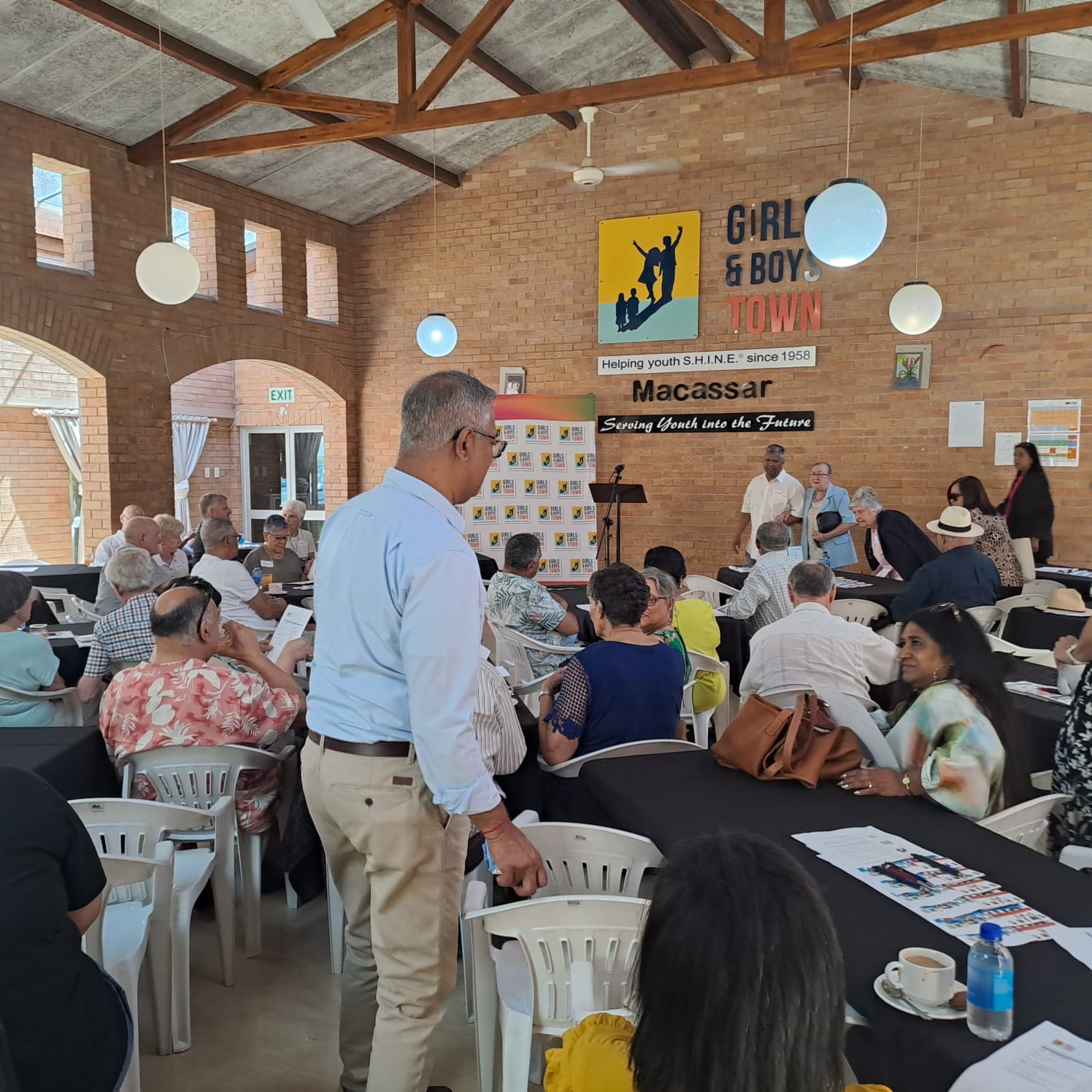
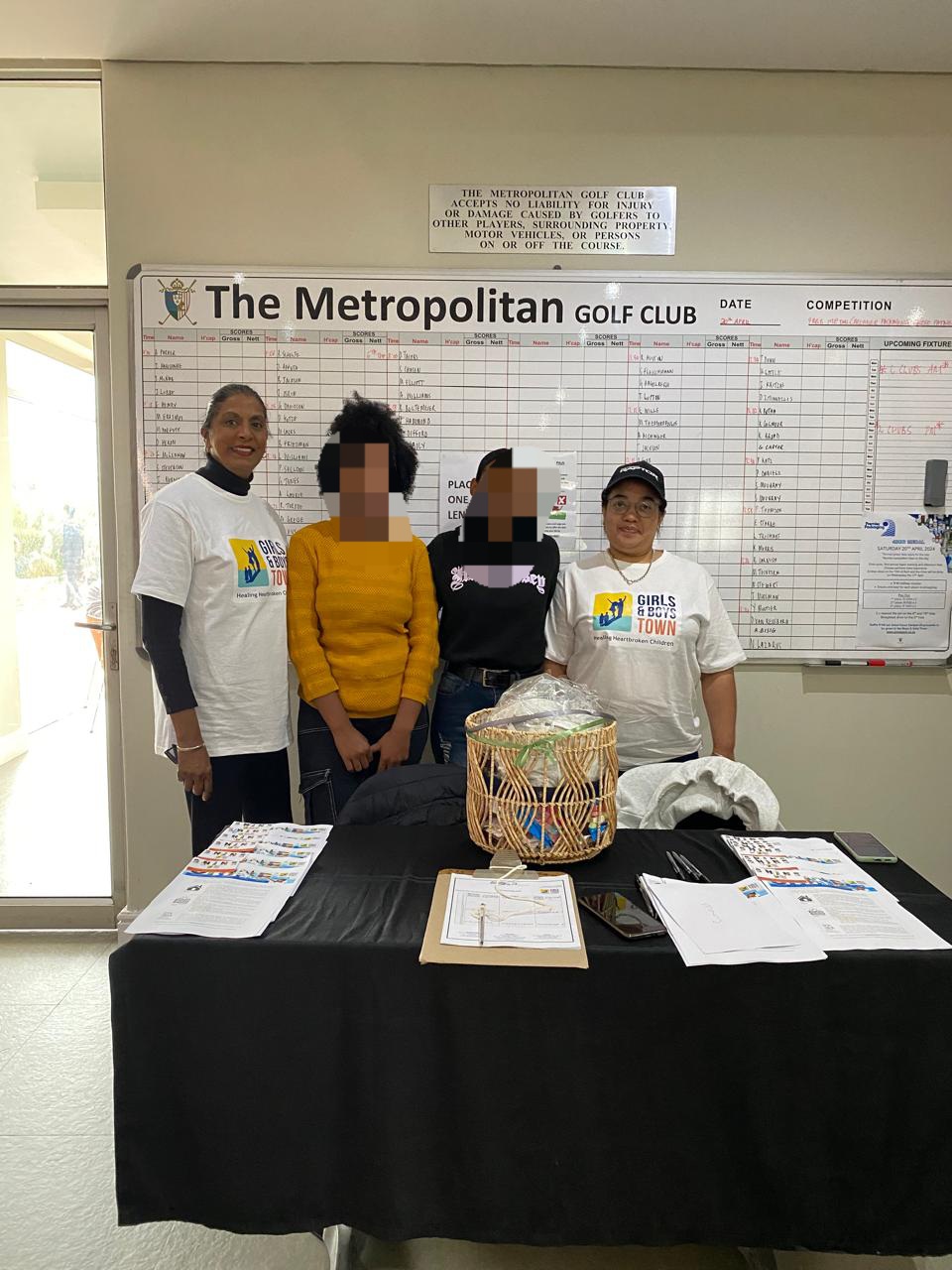
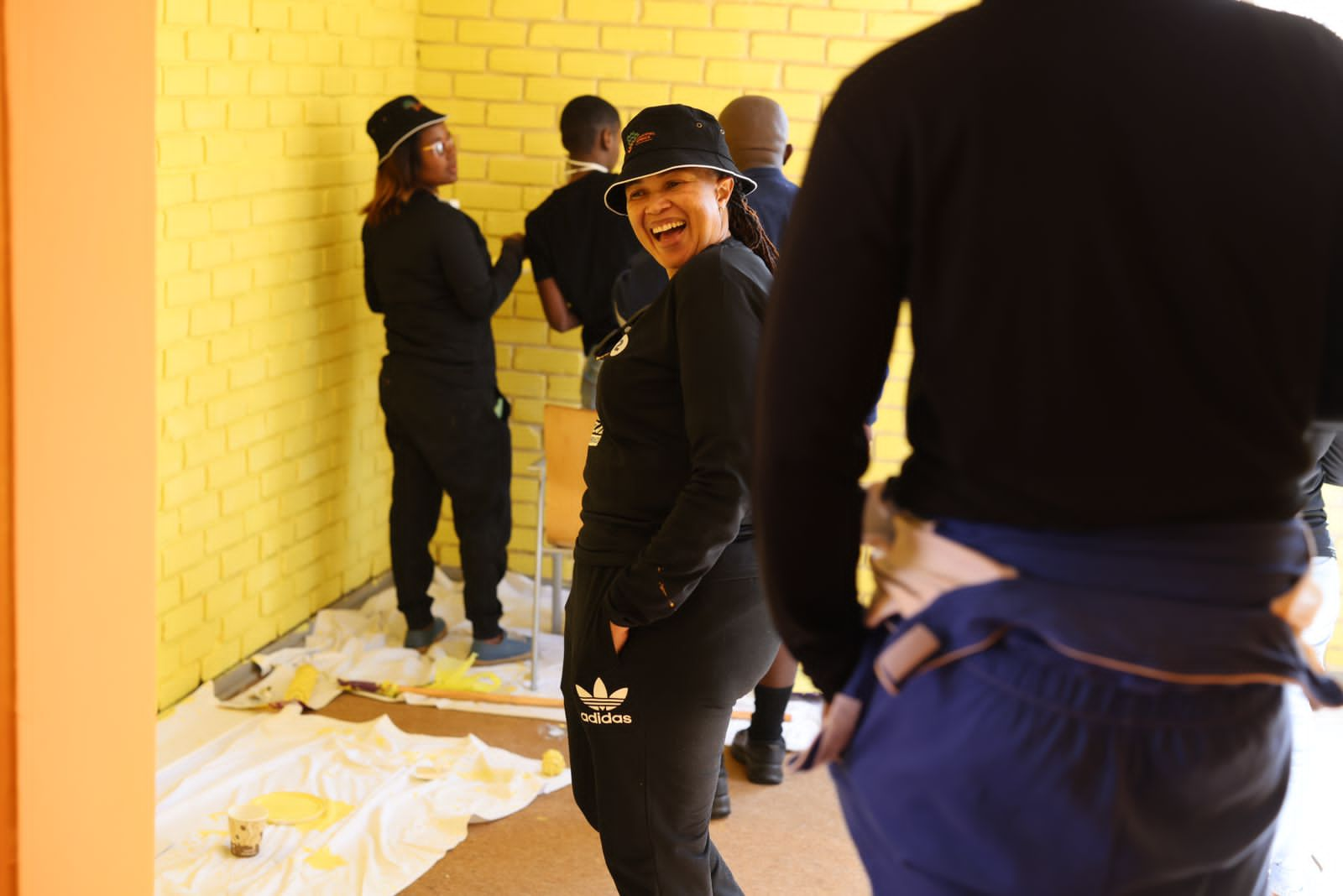
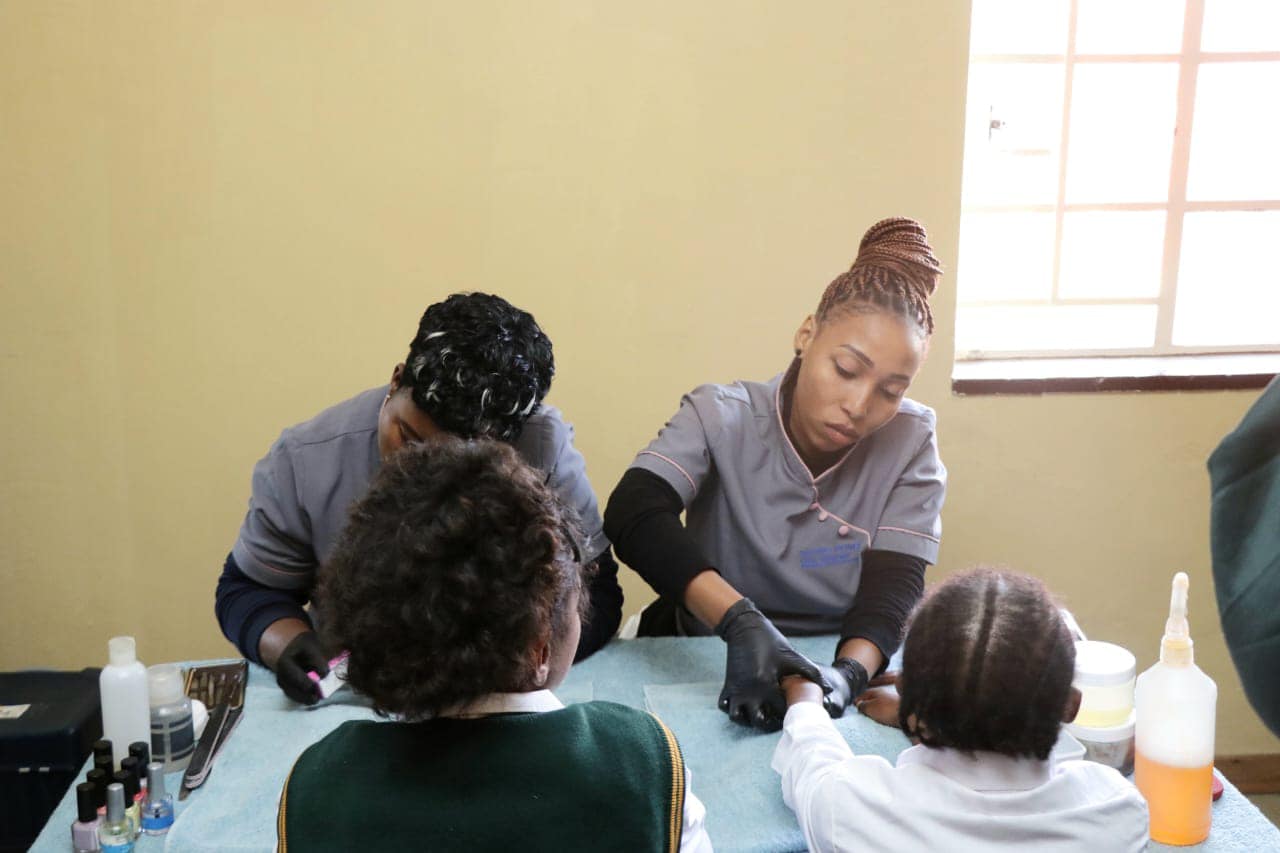
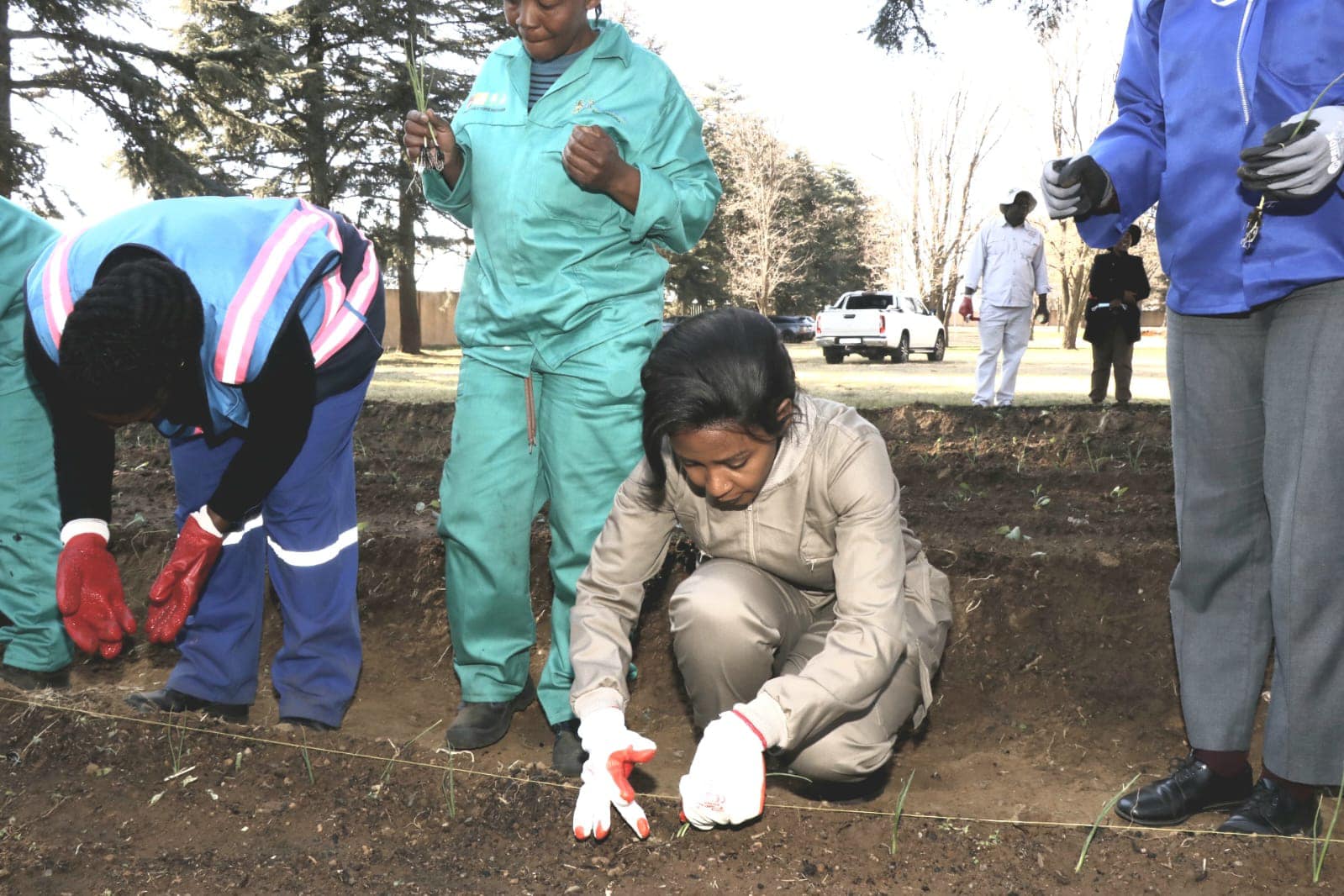
For almost 70 years, Girls and Boys Town South Africa has been answering that question not with theory, but with action. As a registered non-profit organisation, it provides residential care, community-based programmes, educational support, and psychosocial services to vulnerable children, youth, and families across the country. But more importantly, it works in the space where systems are failing and young lives are most at risk.
At Girls and Boys Town SA, intervention is not just about behaviour change but it is about restoring dignity, rebuilding trust, and reintroducing hope into lives shaped by instability.
“Too often we meet children who have learned to expect disappointment as normal,” says Karen Farred, CEO of Girls and Boys Town South Africa.
“Our responsibility is to interrupt that narrative. When we support a child, we are not only responding to their behaviour we are responding to their history, their environment, and their right to a different future.” States Farred.
That “different future” begins in small but powerful ways. A child learning to trust again. A young person returning to school after dropping out. A family slowly learning how to reconnect, and unearth their intrinsic strengths, after years of breakdown. These are not dramatic moments, but they are transformative ones.
And this is where the real significance of the 2026 theme becomes clear.
Because child well-being is not a soft outcome, but it is the clearest indicator of whether inequality is being reduced or reproduced. If children are not safe, supported, and emotionally secure, then inequality is not only present but inherited.
Imagine a child whose laughter has been stifled by hardship and loss. At Girls and Boys Town South Africa, that child is not written off or labelled. They are met with structure, care, and consistency. They are given something many have never experienced before which is the chance to feel safe long enough to begin again.
It is in that space that change happens quietly but profoundly not only for the child, but for the family they return to, and the community they re-enter.
This is why Family Day matters beyond ceremony and awareness campaigns. It is a reminder that families are not just private units, they are public foundations of equality. When they are supported, societies stabilise. When they are neglected, inequality deepens.
Girls and Boys Town South Africa stands in that tension every day between breakdown and rebuilding, between risk and resilience, between where a child has been and where they can still go.
Because in the end, the real question this International Day of Families forces us to confront is not just what families look like, but what we are willing to do when families can no longer carry children alone.